

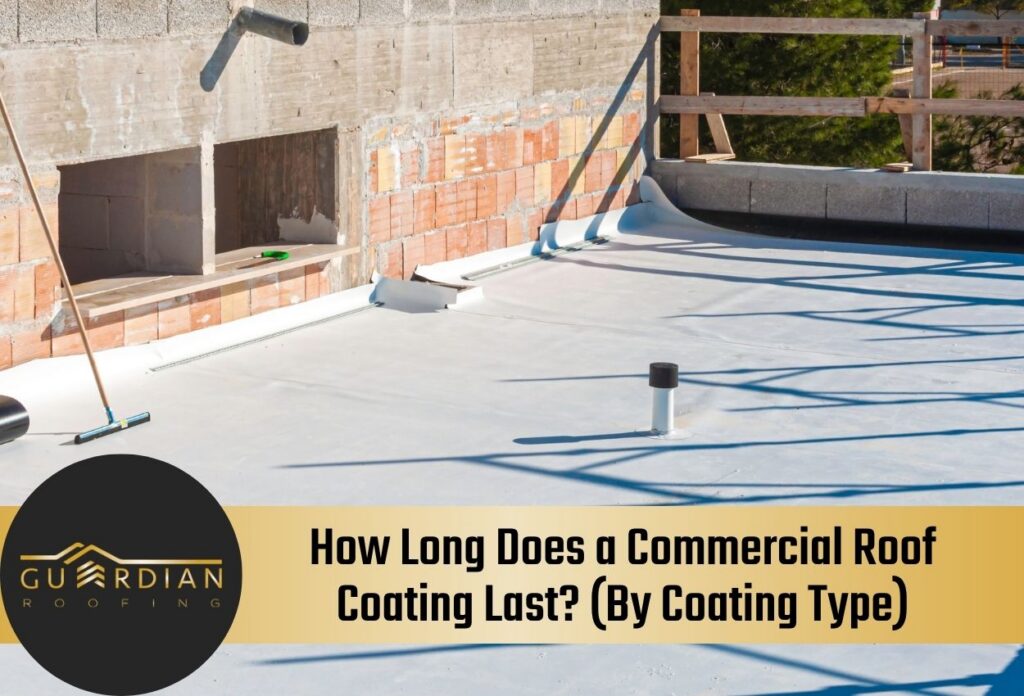

Commercial roof coatings in Raleigh, NC last 10 to 20 years, depending on the coating type silicone systems last 15 to 20 years, polyurethane and elastomeric coatings last 10 to 15 years, and acrylic coatings average 8 to 12 years. Choosing the right coating matters more here than in drier parts of the country.
Raleigh’s climate puts real stress on roof coatings. The area gets 45 to 50 inches of rain each year, summer temperatures regularly hit 85 degrees to 95 degrees Fahrenheit, and humidity stays above 60% to 70% year-round. That combination of heat, moisture, and UV exposure wears coatings down faster than in cooler or drier climates. Ponding water after heavy storms adds even more strain, especially for coatings that are not designed to handle standing water.
*Please note, price ranges listed in this article may not reflect the final cost of your project. Prices are subject to change based on various factors such as local labor rates, material quality, and more. All costs established in this article are rough estimates based on average industry rates.
Which Commercial Roof Coating Lasts the Longest?
Silicone coatings last the longest at 15 to 20 years and perform best in Raleigh’s conditions, outpacing acrylic, polyurethane, and elastomeric options across nearly every performance category.
| Coating Type | Average Lifespan | Ponding Water Resistance | UV/Heat Performance | Recoat Interval | Best Fit for Raleigh Conditions |
|---|---|---|---|---|---|
| Silicone | 15 to 20 years | Excellent handles indefinite ponding | Excellent high UV stability | 15 to 20 years | Yes |
| Acrylic | 8 to 12 years | Poor degrades in standing water beyond 48 hours | Good fades in high-UV zones over time | 5 to 7 years | Conditional |
| Polyurethane | 10 to 15 years | Good moderate resistance | Good handles heat and impact well | 10 to 15 years | Conditional |
| Elastomeric | 10 to 15 years | Moderate not rated for prolonged ponding | Good handles temperature swings well | 10 to 15 years | Conditional |
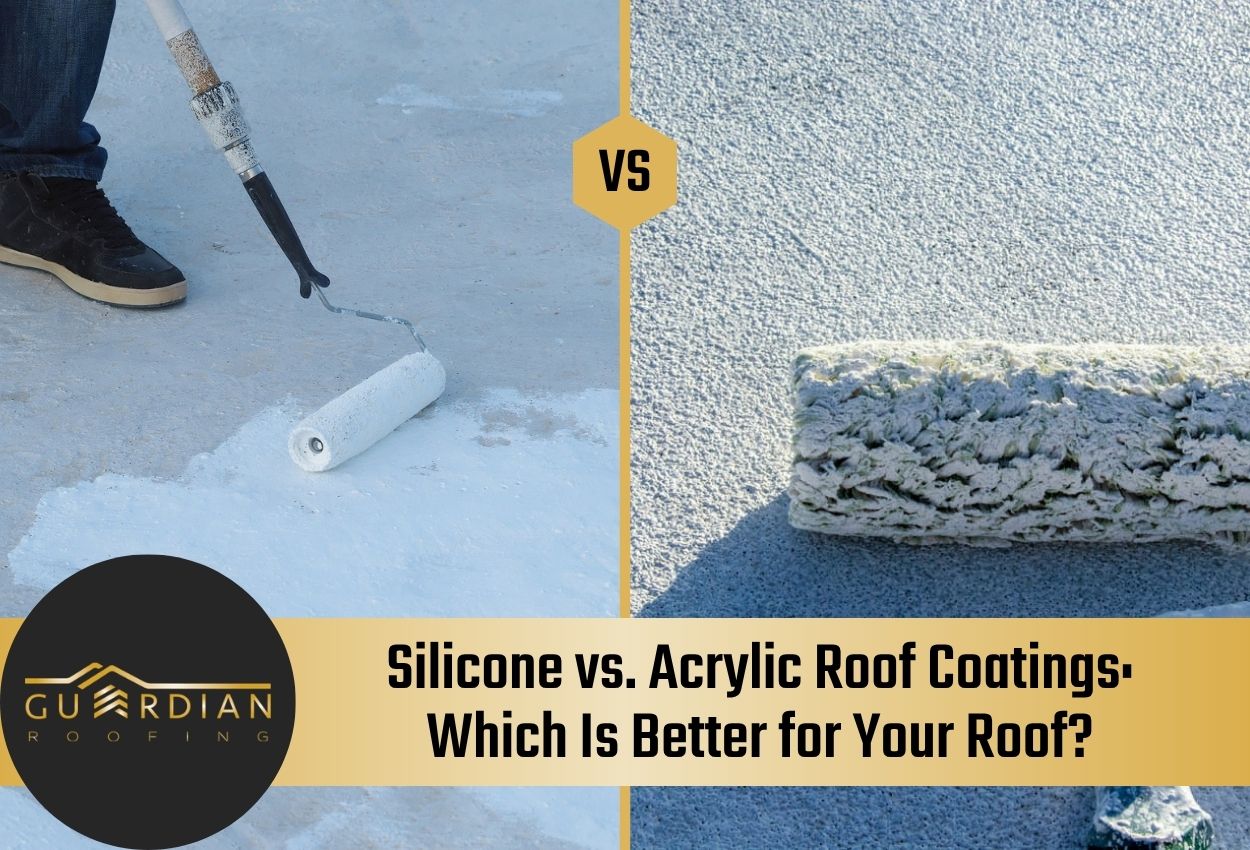
For low-slope roofs in Raleigh, where ponding water after heavy rain is common, silicone is the clear front-runner. Acrylic coatings break down when standing water sits longer than 48 hours, making them a risky choice without excellent drainage. Acrylic systems in high-UV markets like Raleigh also require recoating every 5 to 7 years just to maintain ENERGY STAR reflectance thresholds, cutting their effective maintenance-free lifespan nearly in half compared to silicone. Matching the coating to the roof’s drainage profile and sun exposure makes a measurable difference in how long it lasts.
What Factors Shorten Commercial Roof Coating Life on Raleigh Buildings?
Four factors cut commercial roof coating life short in Raleigh: ponding water on low-slope roofs, UV degradation from summer heat, storm and hail impact, and year-round humidity above 60% to 70%.
Low-slope roofs, including those built with TPO, EPDM, modified bitumen, and built-up roofing, collect standing water after heavy rain. That ponding puts constant pressure on the coating and accelerates membrane deterioration underneath it. Acrylic coatings are especially vulnerable, breaking down after just 48 hours of standing water exposure. Summer temperatures that regularly reach 95 degrees drive UV degradation at an accelerated rate, thinning reflective coatings and weakening adhesion over time. Raleigh also sees seasonal thunderstorms and occasional tropical storms that bring hail and flying debris, both of which punch through or chip away at coating surfaces and open the door to leaks.
Application Temperature and Code Compliance
Applying a coating outside the 50 degrees to 90 degrees window a real risk during Raleigh’s hot summers and cold winters causes poor curing and can reduce coating adhesion enough to cut expected lifespan by 20% to 30%. A coating applied in improper conditions may look fine at first but fail years ahead of schedule.
North Carolina building code also requires coatings to meet ASTM International standards for dry film thickness and reflectance. Coatings that fall short of these standards may void manufacturer warranties that typically range from 10 to 20 years, leaving property owners with no coverage when problems appear. Hiring a licensed roofing contractor who follows both manufacturer specs and NC code requirements is the best way to protect that warranty from day one.
What Are the Signs That a Commercial Roof Coating Needs to Be Replaced?
Six observable signs indicate a commercial roof coating is failing: chalking or reflectance loss, visible cracking or alligatoring, delamination at seams or edges, ponding water lasting more than 48 hours, active interior leaks or elevated moisture readings, and coating age exceeding the manufacturer’s warranty period.
- Solar reflectance drops below energy code threshold: When a coating’s Solar Reflectance Index falls below 78, it can no longer meet energy code requirements under ASHRAE 90.1 and the IECC for low-slope roofs in applicable climate zones. Surface chalking is often the first visible sign, and it typically points to recoating rather than full replacement.
- Cracking or alligatoring across more than 10% of the surface: Minor cracking in isolated areas may still allow recoating. Once cracking or alligatoring spreads beyond 10% of the total surface, the coating system has likely broken down too far to bond a new layer effectively.
- Delamination or peeling at seams and edges: Surface-level peeling near flashings often means recoating is still an option. Delamination that reaches the roof deck level or reveals saturated insulation underneath is a warning sign that the underlying roofing system itself has failed, not just the coating.
- Ponding water lasting more than 48 hours after rain: Standing water beyond that 48-hour mark accelerates coating breakdown, especially for acrylic systems. Persistent ponding that cannot be addressed through drainage improvements may indicate the roof deck has also been compromised.
- Interior leaks or moisture readings above 15%: Active interior leaks are a serious signal. Core sampling that shows roof deck moisture readings above 15% points to insulation saturation, a condition that typically requires full replacement rather than a surface recoat.
- Coating age beyond the manufacturer’s warranty period: A coating that has outlived its rated lifespan, whether 8 to 12 years for acrylic or 15 to 20 years for silicone, should be professionally evaluated immediately, even without visible damage.
Annual professional commercial roof inspections each spring after Raleigh’s winter season cost $300 to $600 for most commercial properties. That cost is small compared to emergency repair bills that average $1,500 to $5,000 per incident. Catching failure signs early keeps recoating on the table and full replacement off it.
How Often Should a Commercial Roof Coating Be Reapplied?
Reapplication intervals range from every 5 to 7 years for acrylic coatings in Raleigh’s climate to every 15 to 20 years for silicone systems. Coating type is the biggest factor driving that gap. Strategic recoating before a coating fully fails, rather than waiting for leaks or visible breakdown, can extend a commercial roofing system’s total service life to 25 years or more.
| Coating Type | Recommended Recoat Window in Raleigh |
|---|---|
| Silicone | Every 15 to 20 years, a touch-up inspection is recommended at Year 10 |
| Acrylic | Every 5 to 7 years, due to high UV exposure and humidity |
| Polyurethane | Every 10 to 15 years |
| Elastomeric | Every 10 to 15 years, a maintenance recoat is recommended at Year 8 |
Spring and fall are the best application windows in Raleigh. Temperatures during those seasons typically hold within the 50-degree to 90-degree range that most coatings need to cure properly. Scheduling recoating during summer highs or winter cold raises the risk of poor adhesion and early failure. Planning reapplication on a set schedule rather than reacting to visible damage keeps replacement costs lower and protects the roofing system underneath.
Does Commercial Roof Coating Extend Roof Life Expectancy and Is It Worth the Cost?
A properly installed coating can add 10 to 20 years of service life to an existing commercial roof, allowing many buildings to reach 25+ total years through one or two recoating cycles, deferring replacement costs that average $6 to $12 per square foot.
| Option | Estimated Cost per Square Foot | Expected Service Life Added |
|---|---|---|
| New Silicone Coating | $1.50 to $3.00/sq ft | 15 to 20 years |
| New Acrylic Coating | $0.75 to $1.50/sq ft | 8 to 12 years |
| New Polyurethane Coating | $2.00 to $4.00/sq ft | 10 to 15 years |
| Recoating an Existing System | $1.00 to $2.50/sq ft | 8 to 12 years of additional life |
| Full Roof Replacement | $6.00 to $12.00/sq ft | 20 to 30 years |
The numbers make the case clearly. On a 20,000 sq ft commercial roof, recoating at $1.00 to $2.50 per square foot runs $20,000 to $50,000. Full commercial roof replacement at $6.00 to $12.00 per square foot costs $120,000 to $240,000. That gap, which is a potential savings of $70,000 to $190,000, makes coating ROI straightforward for any building with a structurally sound roof deck assembly. Coating is not always the right answer, but for roofs where the roof deck and insulation remain intact, it is the smarter cost decision by a wide margin.
Ready to Find Out How Long Your Roof Coating Will Last? Contact a Raleigh Commercial Roofing Expert.
Recoating at $1.00 to $2.50 per square foot instead of replacing at $6.00 to $12.00 per square foot is only possible if the coating is evaluated and addressed before failure sets in. Guardian Roofing works with commercial property owners across Raleigh, NC, providing inspections that assess current coating condition, remaining lifespan, and whether recoating or full replacement is the smarter path. NC-licensed contractors can measure coating performance against ASTM standards and local building code requirements and deliver a written estimate so there are no surprises.
Schedule your free roof inspection.
Not ready to schedule? Learn more about commercial roof coating services.