 ×
×

The Premier Roofing Company
Serving North Carolina & Tennessee
The Premier Roofing Company
Serving North Carolina & Tennessee
Beaverton gets a lot of rain, and your roof takes the full force of it every season. From October through May, the region sees heavy, persistent precipitation that settles into shingles, valleys, and flashes over months at a time. Homes built in the 1970s and 1980s, which make up a large portion of Beaverton's neighborhoods, are especially vulnerable. Asphalt shingles that have weathered decades of damp winters tend to lose their protective granules, leaving the underlayment exposed to moisture that works its way inside. Throw in the thick moss that thrives under the shade of surrounding evergreens, and you have a recipe for leaks that quietly get worse before most homeowners notice anything is wrong.
The good news is that most roof problems caught early are straightforward to fix. A worn section of flashing, a clogged valley, or a patch of shingles lifting along a seam can usually be repaired in a few hours by someone who knows what to look for. Stalcup Roofing & Construction works with Beaverton homeowners to stop those small issues before they reach your attic or interior walls. The approach is direct: find the source, fix it properly, and make sure your roof is ready for whatever the next rainy season brings your way. Learn more about our residential roof repair services and what we can do for your home.
If you have never hired an exterior painting company before, knowing how the project unfolds can make the experience much more straightforward. Here is how Pete's Pro Painters manages an exterior painting project from the first meeting through the final inspection.
Beaverton's weather patterns put residential roofs through a consistent cycle of moisture, debris, and temperature changes that add up over time. Understanding what tends to go wrong, and why, helps you recognize problems early and prioritize repairs before minor damage turns into something more serious.
| Repair Issue | Common Cause | Urgency Level |
|---|---|---|
| Granule loss on shingles | Extended UV exposure and repeated moisture cycles wear down the protective surface | Moderate: schedule before fall rains arrive |
| Worn or lifted flashing | Wind-driven rain and repeated temperature changes loosen seals around chimneys and vents | High: allows water to enter quickly once compromised |
| Valley debris buildup | Surrounding evergreen trees dropping needles and organic matter that holds moisture against the surface of the roof | Moderate to High: affects drainage and warranty compliance |
| Underlayment damage | Years of leaks through aged or cracked shingles, common in homes built before 1990 | High: may require partial re-sheeting if plywood rot is present |
| Ridge and attic ventilation issues | High year-round humidity causes condensation buildup in the attic space | Moderate: left unaddressed, accelerates shingle and deck deterioration |
Late spring through early summer is the best window to address most of these repairs. Sealants cure properly in drier conditions, and getting repairs done before October gives your roof a full season to settle before heavy rain returns.
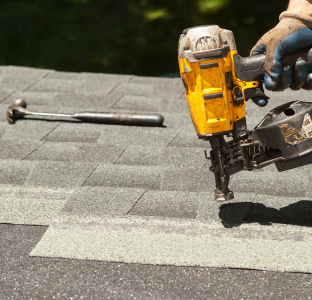
When damaged shingles come off, the wood deck underneath gets a direct look for soft spots, rot, or plywood that has started to separate due to chronic dampness. Catching deck damage while the roof is open saves you from having to tear into a newly repaired roof again down the road.
Flashing around chimneys, skylights, pipe boots, and wall intersections is replaced or reseated as part of the repair, not just patched over. Wind-driven rain finds its way through even small gaps in flashing, so getting these transitions sealed correctly is one of the most effective things you can do to keep water out of your home.
Active moss growth and debris packed into seams and low areas are cleared before new materials go down, because sealing over organic buildup shortens the life of any repair. In Beaverton's damp climate, skipping this step means the same problem comes back faster than it should.
Ridge ventilation is inspected during the repair to confirm airflow is not blocked or compromised, which matters in a region where attic humidity runs high year-round. Proper ventilation protects your shingles and deck from the inside out, and a repair visit is a natural opportunity to confirm that part of your roof is doing its job.
Living with a roof that has been quietly collecting damage through years of wet winters is a risk that tends to show up at the worst time. Addressing worn shingles, failed flashing, or moisture that has worked its way under the surface now means protecting your home before repair costs grow and your property value takes a hit. Late spring and early summer give repairs the best conditions to hold, but most issues are worth addressing whenever you catch them, rather than waiting for the next rainy season to reveal what was missed.
Stalcup Roofing & Construction works with Beaverton homeowners who want straightforward answers and repairs done right the first time. If you have noticed something off with your roof or just want a closer look before fall arrives, reaching out to the team is a simple first step. There is no pressure, just an honest inspection and a clear picture of where things stand. You can also visit our Beaverton service area page to find out more about what we offer in your neighborhood.
Got questions about your roof? We’ve got answers. From maintenance tips to insurance claims and repair timelines, our FAQ section covers the most common concerns homeowners have. Get informed and make confident decisions about protecting your home.
It does, more than most homeowners expect. Evergreen trees surrounding many Beaverton neighborhoods drop needles and organic debris into valleys and low-pitch areas year-round, and that material holds moisture against your shingles long after rain stops. The combination of persistent shade and trapped dampness accelerates moss growth and speeds up shingle wear, which is why homes under or near heavy tree cover tend to need repairs more frequently than those in open areas.
A roof can have significant damage well before any water shows up inside your home. Granule loss, soft spots in the deck, and worn flashing can all allow moisture to work into the underlayment and wood structure for months before it reaches your ceiling. By the time you see a stain or feel dampness, the damage is usually further along than a simple shingle swap. Getting a roof inspection in late spring or early summer, before the rainy season builds back up in October, gives you a clear picture of where things stand while conditions are dry enough to act on it properly.
Not every repair requires a permit, but once a job crosses into replacing more than a small quantity of shingles or involves structural work like re-sheeting sections of the deck, Washington County guidelines typically require one. Ventilation upgrades tied to a repair can also trigger the permit process. Stalcup Roofing handles that paperwork when it applies, so you do not have to navigate the county requirements on your own.

“Focus on the Solution not the Problem.”



@2026 Powered By Ascend Digital Agency